
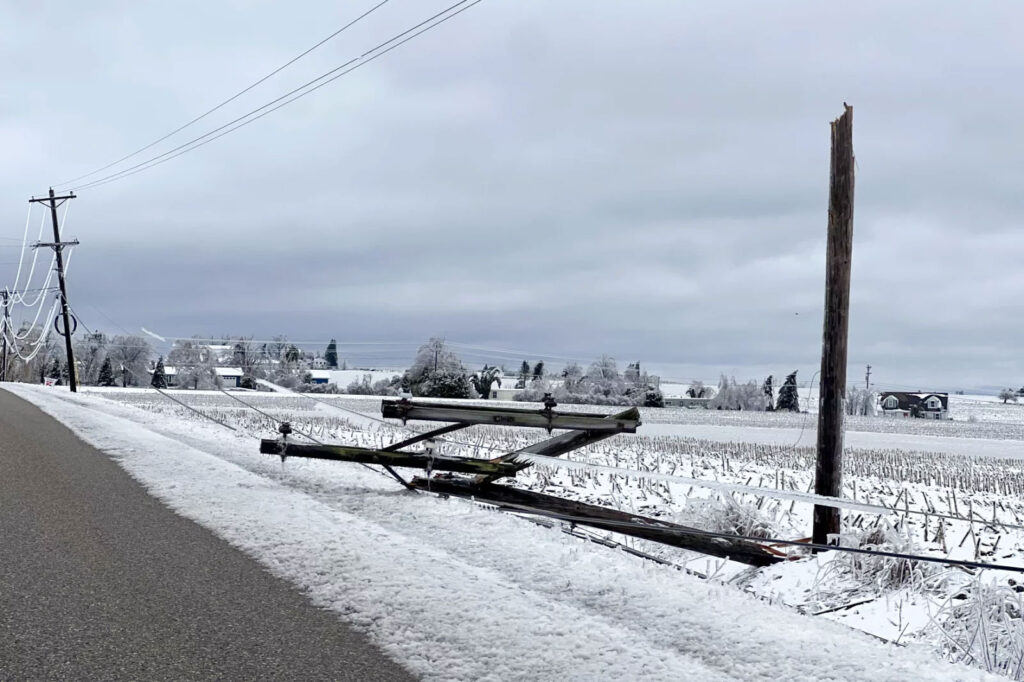

Every major storm seems to trigger the same conversation:
“Why don’t we just bury the power lines?”
For decades, the utility industry has responded with one answer: cost.
But as extreme weather becomes more frequent and outages become more expensive, we’re finally asking a better question:
What’s the cost of not undergrounding?
A recent NPR article ( https://lnkd.in/gNZ5uJEv ) highlighted Michigan’s growing discussion around underground power infrastructure as communities face repeated outages and increasing climate-related disruptions.
When power lines are underground:
✅ They are far less vulnerable to wind, ice, falling trees, and many storm-related failures.
✅ They reduce wildfire ignition risk.
✅ They improve community aesthetics and free up space for urban tree canopies.
✅ They can significantly improve long-term grid resilience.
Yes, underground construction costs more upfront.
But every widespread outage carries costs too:
• Lost business revenue
• Spoiled inventory
• Emergency response expenses
• Damaged public trust
• Economic disruption for entire communities
The reality is that reliability isn’t free. The question is whether we choose to invest actively or continue paying reactively after every major storm.
Undergrounding won’t be the right solution everywhere. But in high-density communities, critical infrastructure corridors, and areas with recurring outage issues, the conversation should no longer be “Can we afford it?”
It should be:
Can we afford not to?
Weigh in – – should utilities accelerate strategic undergrounding projects, or are there better ways to improve grid resilience?
