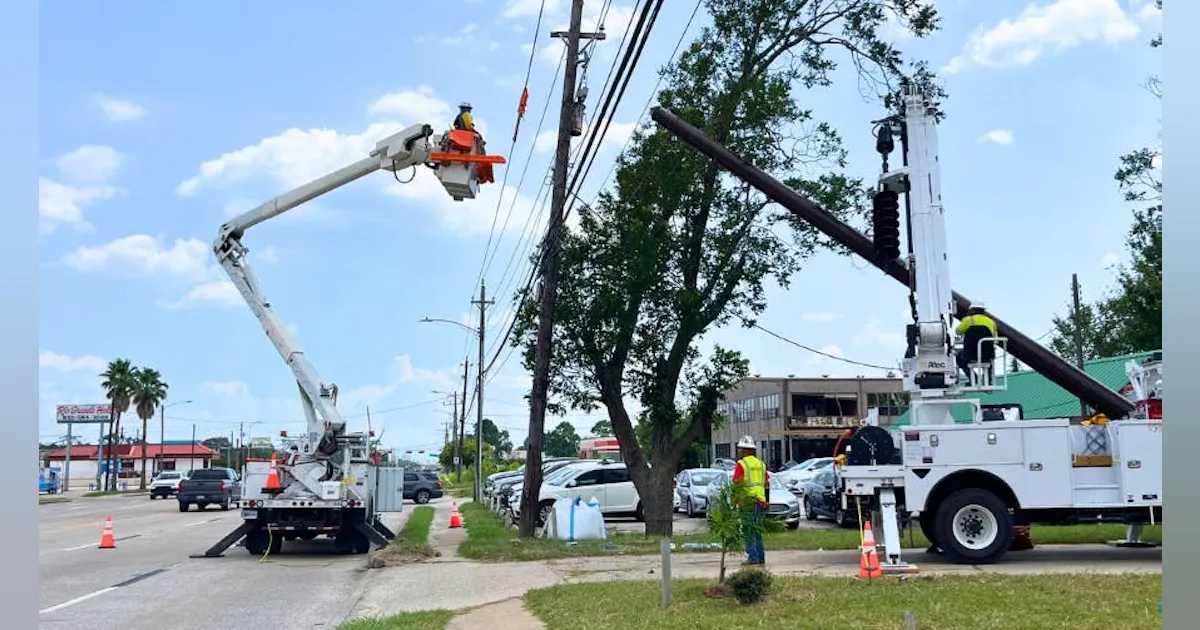

Resiliency is no longer a future-focused discussion for the power industry. It is an operational necessity.
The Greater Houston Resiliency Initiative is a strong example of how utilities are shifting from reactive restoration to proactive system hardening. Following repeated major storm events, the focus is clearly evolving toward infrastructure that can better withstand extreme weather while reducing outage duration and customer impact.
What stands out to me is the strategic use of undergrounding alongside other grid modernization efforts like storm-resilient poles, vegetation management, automation, and self-healing technologies. Undergrounding every line is neither practical nor economical, but targeted undergrounding in high-risk or high-consequence areas can dramatically improve reliability and resiliency when paired with broader grid investments.
This is the key distinction utilities and regulators are increasingly recognizing:
Resiliency is not one single solution; it is a layered strategy.
As climate-related events continue to stress aging infrastructure, strategic undergrounding will likely become a more important component of long-term grid modernization plans across the country.
The conversation is shifting from “How fast can we restore power?” to “How do we design systems that fail less often in the first place?”
That’s the resiliency mindset the industry needs moving forward.
#Energy #Utilities #PowerGrid #GridModernization #Resiliency #Infrastructure #ElectricUtilities #Undergrounding #Transmission #Distribution #SmartGrid